Click-Book-Track: The Rise of New-Age Intracity Logistics Platforms in India
 Mrigank Gutgutia
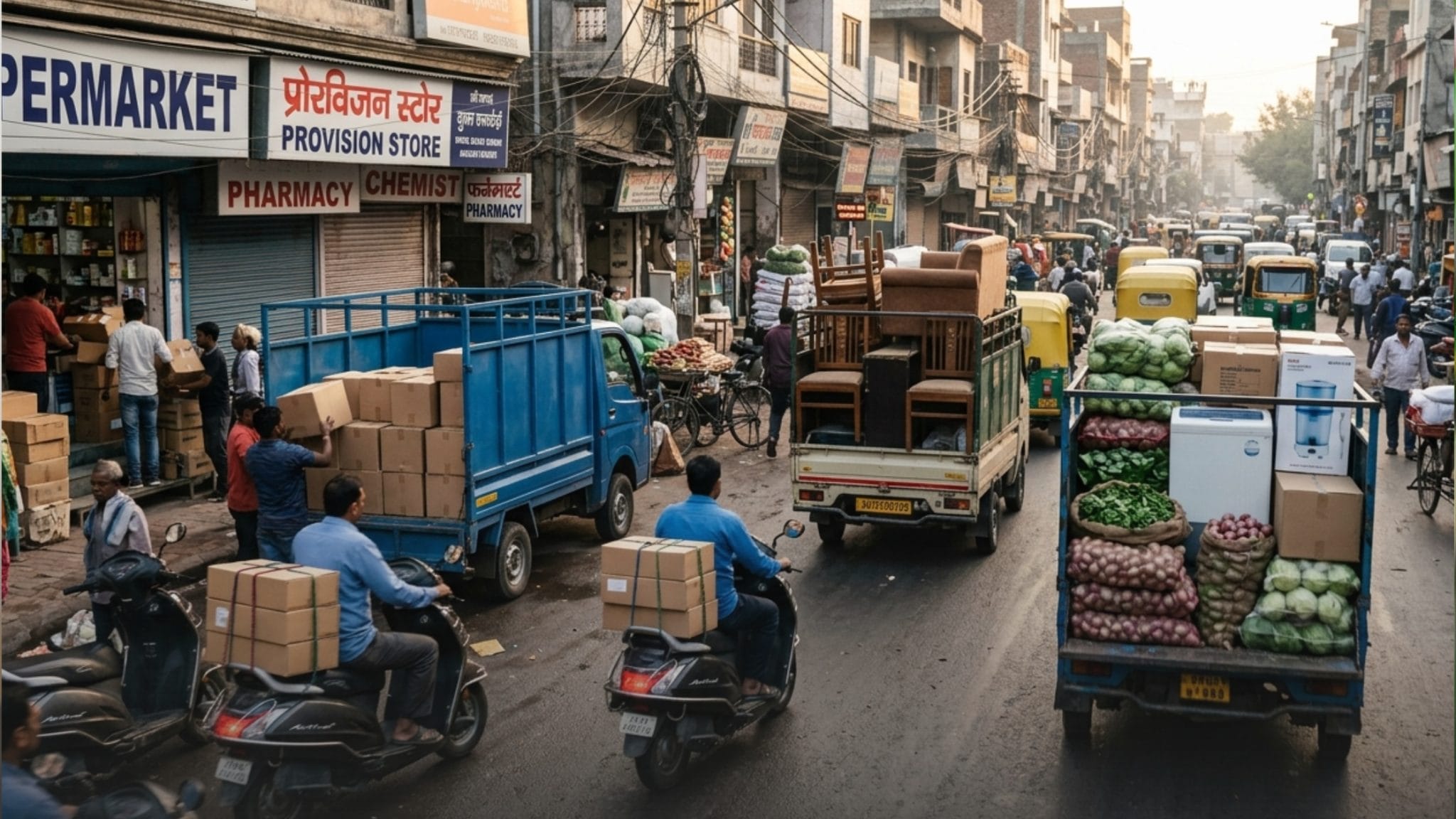
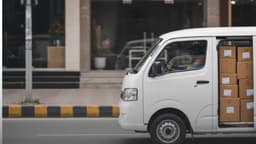
Scooters delivering medicines to pharmacies, mini-trucks restocking supermarkets, and small tempos moving furniture, appliances, fresh greens, and spare parts across town. Every day, thousands of vehicles loaded with goods move through India. Some speed down the wide roads of big cities, while others navigate the narrow lanes of small towns. These form the intracity logistics network – a USD 15 billion market that keeps local businesses running.
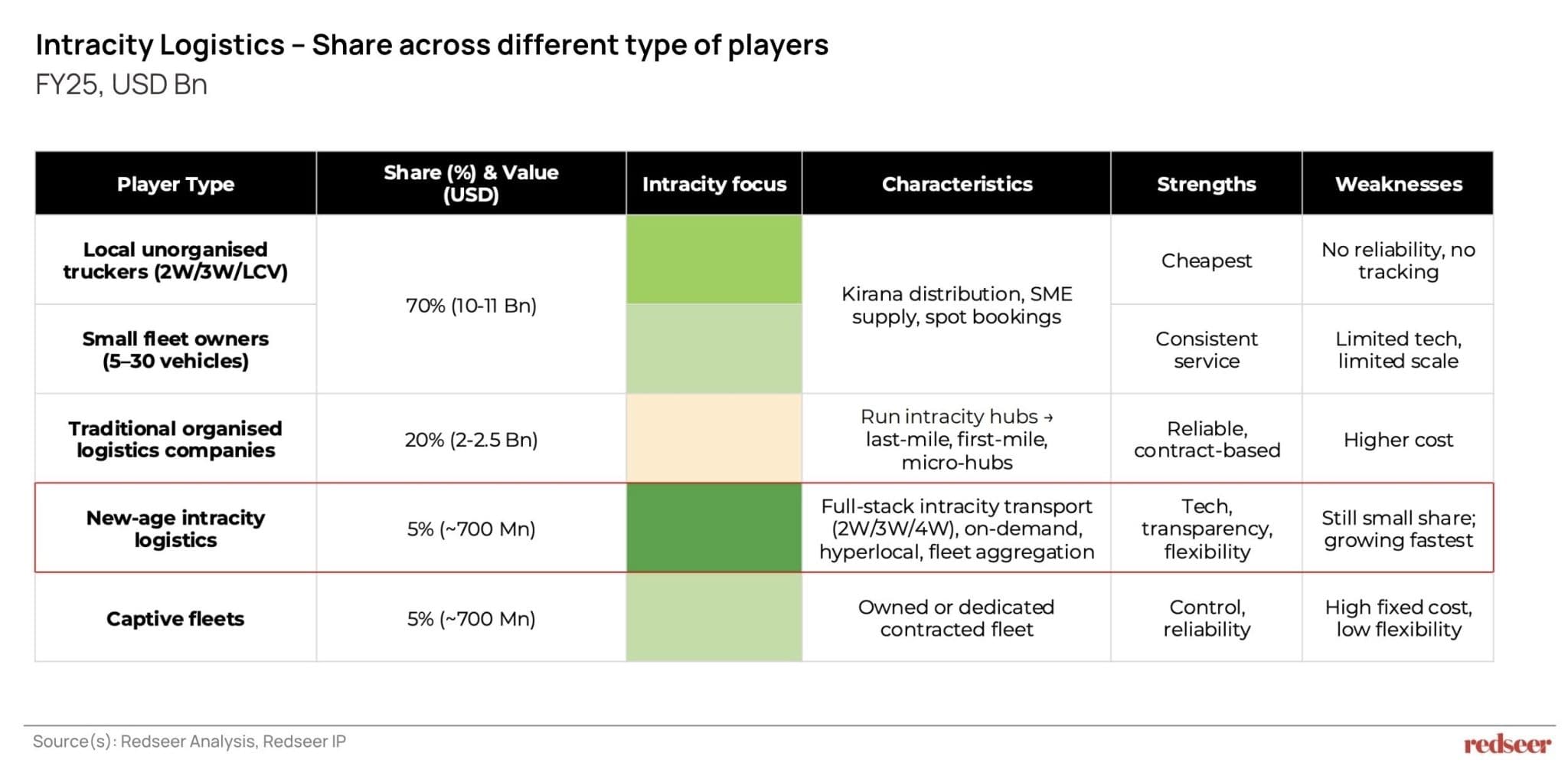
The demand continues to grow as small-to-medium businesses (SMB) expand across cities. Yet despite the size of the opportunity, the industry is deeply fragmented. Nearly 70% of the market is still unorganised, managed by local drivers, small-fleet owners, and neighbourhood brokers who run their operations through informal relationships.
A smarter way forward
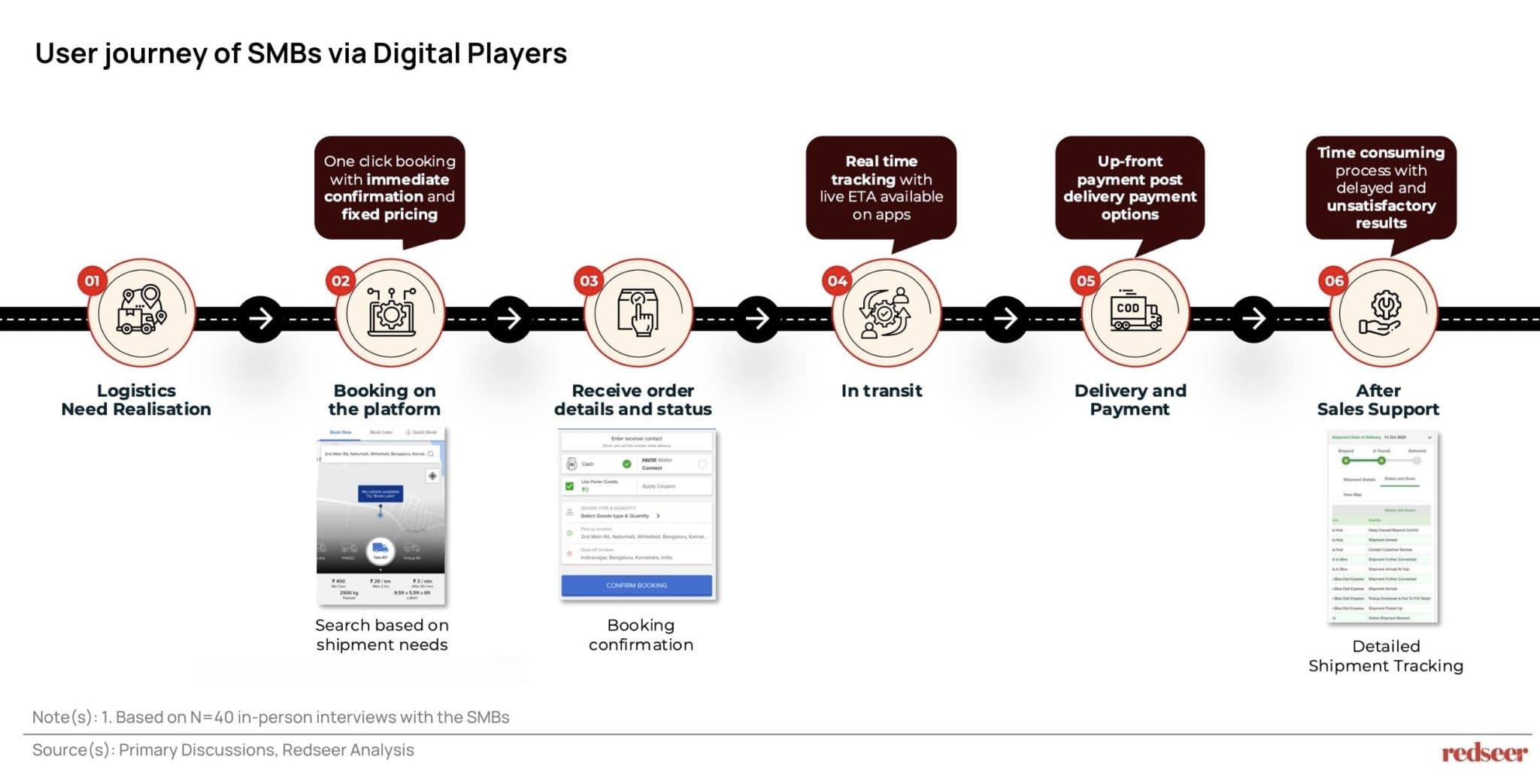
New-age digital logistics platforms are carving their niche in this space. Currently sized at USD 700 million (across models), it is set to reach USD 2 billion by 2030. These platforms promise faster bookings, transparent pricing, and real-time tracking.
But scaling intracity logistics in India is complex. For operators and transport owners, profitability rests on a few structural dynamics that shape the industry.
What drives scale and profitability in intracity logistics?
City economics define the business. Some cities, like Bengaluru, have strong demand density and relatively limited driver supply. Consequently, vehicles stay busy throughout the day, fulfilment rates remain high, and platforms generate healthier margins. But in Mumbai, intense competition between logistics providers drives down pricing. Companies often reduce rates or offer incentives to drivers to maintain supply. Even with strong delivery volumes, profitability becomes difficult to maintain.
Fulfilment rates drive real revenue. Orders booked are not the same as deliveries completed. A platform may receive ten orders in a day; however if only six drivers accept those trips, four deliveries remain at the base. This has a direct impact on revenue and customer trust.
Platforms that consistently maintain high fulfilment rates create a more stable ecosystem.
Driver earnings shape the ecosystem. Most digital platforms run on a commission model and the delivery fee is split between the platform and the driver. This model works well for two-wheeler deliveries that are quick and frequent. About 65-70% of deliveries fall into this category, including retail parcels, pharmacy orders, and small business shipments. But for longer distances or heavier shipments, drivers expect higher guaranteed payouts. When earnings feel less, drivers reduce active hours, decline certain trips, or migrate to other platforms that offer better incentives.
Why SMBs continue to prefer traditional operators
Local transporters remain the default option for SMBs because they offer four major features that new-age platforms struggle to match:
- Negotiable per-trip pricing
- Shipment flexibility and last-minute changes
- Staff ride-along or loading assistance
- A single point of contact for coordination
Barriers to digital adoption
Trust remains one of the biggest barriers. About 80% of SMBs hesitate to rely fully on platforms due to concerns about driver reliability, delivery safety, and inconsistent pricing. 73% find the pricing of the digital platforms volatile or higher than local agents, with limited or no negotiation facility. Technology adoption is another hurdle. 52% are still unfamiliar with app-based bookings, digital payments, or automated-tracking systems.
Despite the barriers, the pricing dynamic could open a window for new-age digital platforms. 73% of SMBs are willing to switch to a digital logistics platform for better pricing, while 55% consider credit support an important factor.
During high-demand periods, cash flow gets tight. If a digital platform can offer credit flexibility, shifting to it would make complete sense. – Small Timber Wholesaler
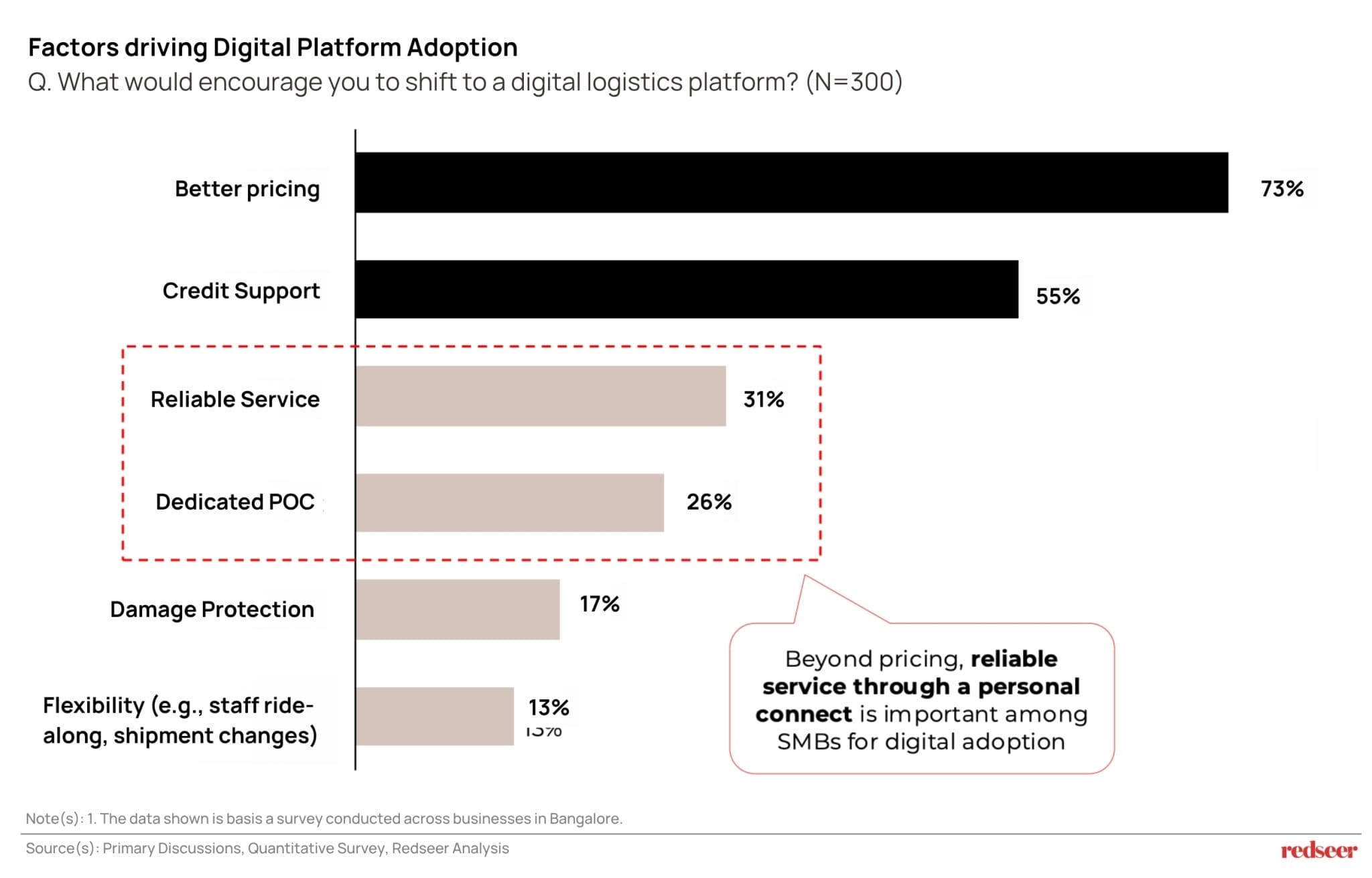
60% of SMBs are willing to switch logistics providers within a ± 10% price range of what they currently pay. For some businesses, even a 10% logistics cost reduction is enough to trigger adoption. However, pricing alone is rarely sufficient. SMBs also expect service reliability, quick claim resolution, and easy-to-connect support when things go wrong.
One thing stopping me from using digital platforms is the lack of personal accountability. If they assign a dedicated person to handle my business, I’d seriously consider switching over.– Medium Electronics Wholesaler
The next phase of growth
The real opportunity in intracity logistics is not simply digitalising transport bookings. It lies in understanding the micro-segments within the SMB market and designing services that match their expectations. Some SMBs are already comfortable with digital tools and are willing to pay a small premium for reliability and tracking.
Others call for strong human support. They demand dedicated account managers who can offer fast issue resolution and clear communication through familiar channels such as phone or apps. A large segment still requires trust-building through testimonials, and flexible payment structures before fully adopting digital platforms.
Intracity logistics in India is not just a technology problem. It is a market design problem. The winners in this market will combine digital efficiency with the trust and flexibility that small businesses rely on every day.
These insights are derived from our report, New-age Intracity Logistics, published in December 2025.

Written by
Mrigank Gutgutia
Partner
Mrigank leads business research and strategy engagements for leading internet sector corporates at Redseer Strategy Consultants. He has developed multiple thought papers and is regularly quoted in media and industry circles.
Talk to me

Indonesia’s USD 500 Bn Banking Gap: Can Digital Banks Win before Incumbents Digitize?

India’s Most Reliable Financial Cohort Is Also Its Most Underserved

Trolley’s IPO on Boursa Kuwait: Building the Market Case for Gulf Convenience Retail
The Next Battleground: Winning India’s Intracity Logistics Market Through Trust, Tech & Transparency


