Quick Commerce vs Kiranas vs Hypermarkets, who will win the Indian Grocery Market?


The market isn’t being disrupted. It’s being segmented.
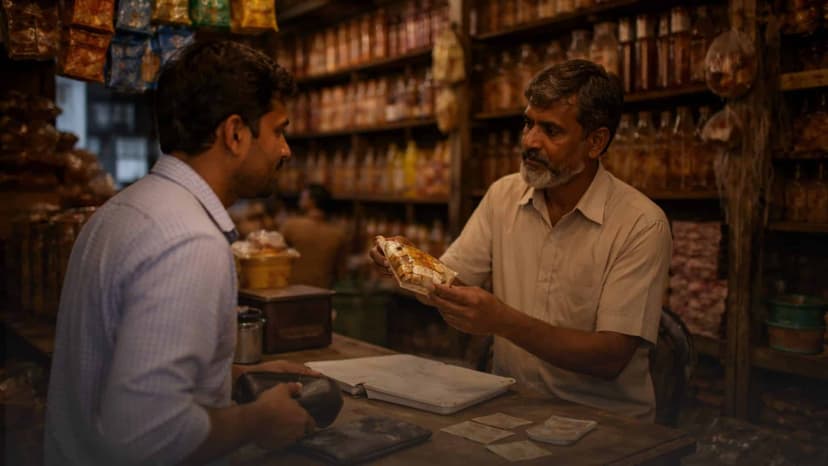
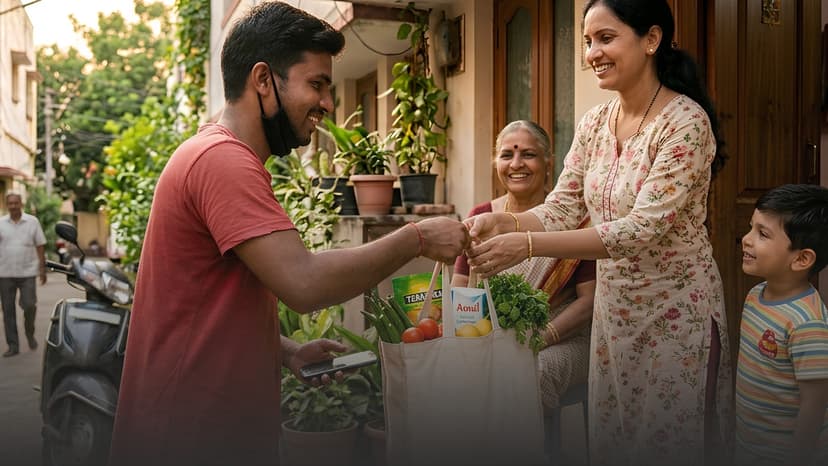
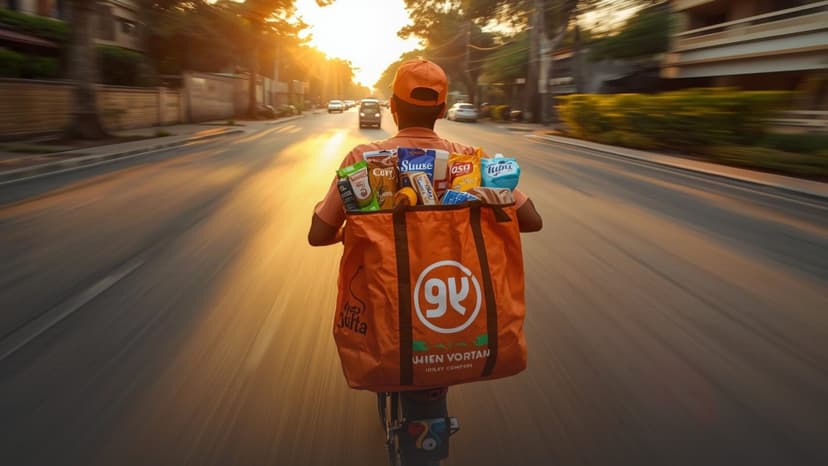
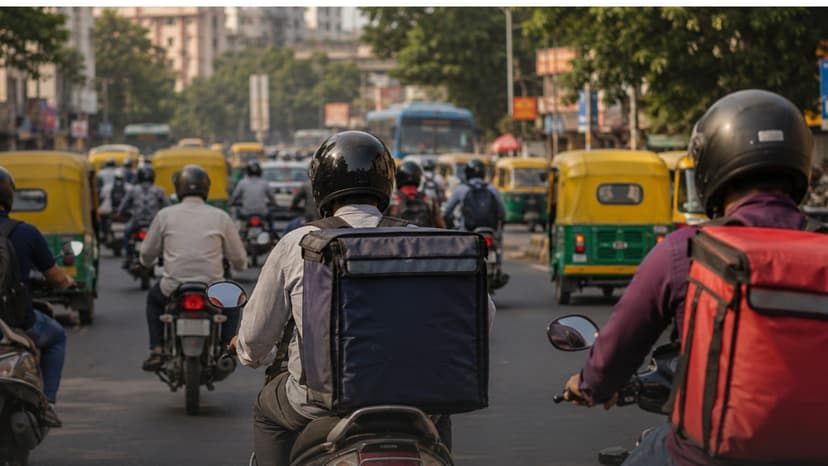
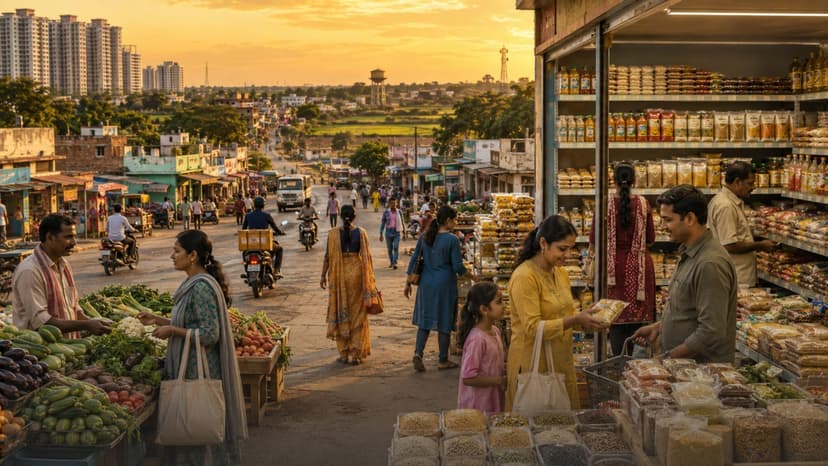
India’s grocery narrative has been dominated by the rise of Quick Commerce, with a widespread belief that it will displace Kiranas. The data suggests otherwise. Rather than replacement, the market is evolving into distinct demand layers driven by customer cohorts, basket sizes, and unit economics. Mass India continues to operate on ₹100–₹200 daily baskets shaped by income liquidity; a segment structurally aligned with Kiranas. At the same time, hypermarkets serve value-driven bulk purchases, while Quick Commerce caters to urban, convenience-led consumption. This limited overlap explains why Kiranas still account for ~91% of the market and are expected to retain ~85% share by 2030, while continuing to drive the majority of incremental growth.
Key Strategic Takeaways
1. The “Kirana vs Quick Commerce” framing is fundamentally flawed
The market is not shifting from one format to another but fragmenting across distinct consumer cohorts. Each format solves for a different need state, which limits direct substitution.
2. Quick Commerce is creating new demand while redistributing existing share
Growth is being driven by new use cases such as impulse consumption and on-demand purchases, alongside share shifts from e-commerce and modern retail rather than Kiranas.
3. Kiranas retain a structural advantage in small-basket economics
The ₹100–₹200 basket is driven by income cycles of over 200 million households. Kiranas operate with significantly lower cost structures and positive margins, while Quick Commerce struggles to make low-value orders viable.
4. Scale for Quick Commerce is constrained by density and geography
The model depends on high-order density and higher average order values, limiting its effectiveness to dense urban markets and capping expansion at roughly 60–70 cities in the near to medium term.
5. The largest untapped opportunity lies in enabling, not replacing, Kiranas
Despite being the dominant channel, Kiranas remain under-digitised. Supply chain integration, credit, and inventory digitisation present a significant opportunity for value creation within the ecosystem.
Read more
Explore the full breakdown of India’s evolving grocery landscape, including detailed data, cohort analysis, and strategic implications in the complete piece: The Great Indian Grocery Triangle and related insights.
Why India’s Mass Grocery still leans on Kirana Stores
Quick Commerce Trends 2026
Written by




Engagement Manager

Think Quick Commerce: Unlocking the $90Bn Opportunity

Why India’s Mass Grocery still leans on Kirana Stores

Value Grocery Commerce: The Bharat Unlock

India Online Retail 2026: The Fastest Year in Five, and the New Engines Behind It

Reinventing Packaged F&B with Quick Commerce
Smart clicks to win India’s online groceries & general merchandise basket
Value Grocery – Unlocking India’s Next 100 Mn Shoppers

Online grocery: What brands need to know?
Redseer Enabled a Global Investment Firm to Assess India’s Quick Commerce Market

We enabled a leading e-commerce player with decision-grade intelligence on India’s online grocery market

The Bharat Unlock: India’s Next Grocery Growth Engine Lies Beyond Quick Commerce
Value Grocery – Unlocking India’s Next 100 Mn Shoppers
Think Quick Commerce: Unlocking the $90Bn Opportunity
Why India’s Mass Grocery still leans on Kirana Stores
Value Grocery Commerce: The Bharat Unlock
India Online Retail 2026: The Fastest Year in Five, and the New Engines Behind It
Reinventing Packaged F&B with Quick Commerce
Smart clicks to win India’s online groceries & general merchandise basket