Rebuilding the Restaurant P&L: Reimagining Southeast Asian F&B

For years, Southeast Asia’s F&B growth was driven by rapid outlet expansion and rising consumer demand. Today, with markets evolving and rising costs/ competition, operators are rethinking how they grow.
Leading brands are now focusing on strategies that improve margins, strengthen customer relationships, and enhance store productivity. In this edition, we explore five levers from a player’s lens around tier 2/3 location push, direct sales channels, supply chain integrations, store revamps, and multi-brand operations that are helping them shape the next phase of profitable growth.
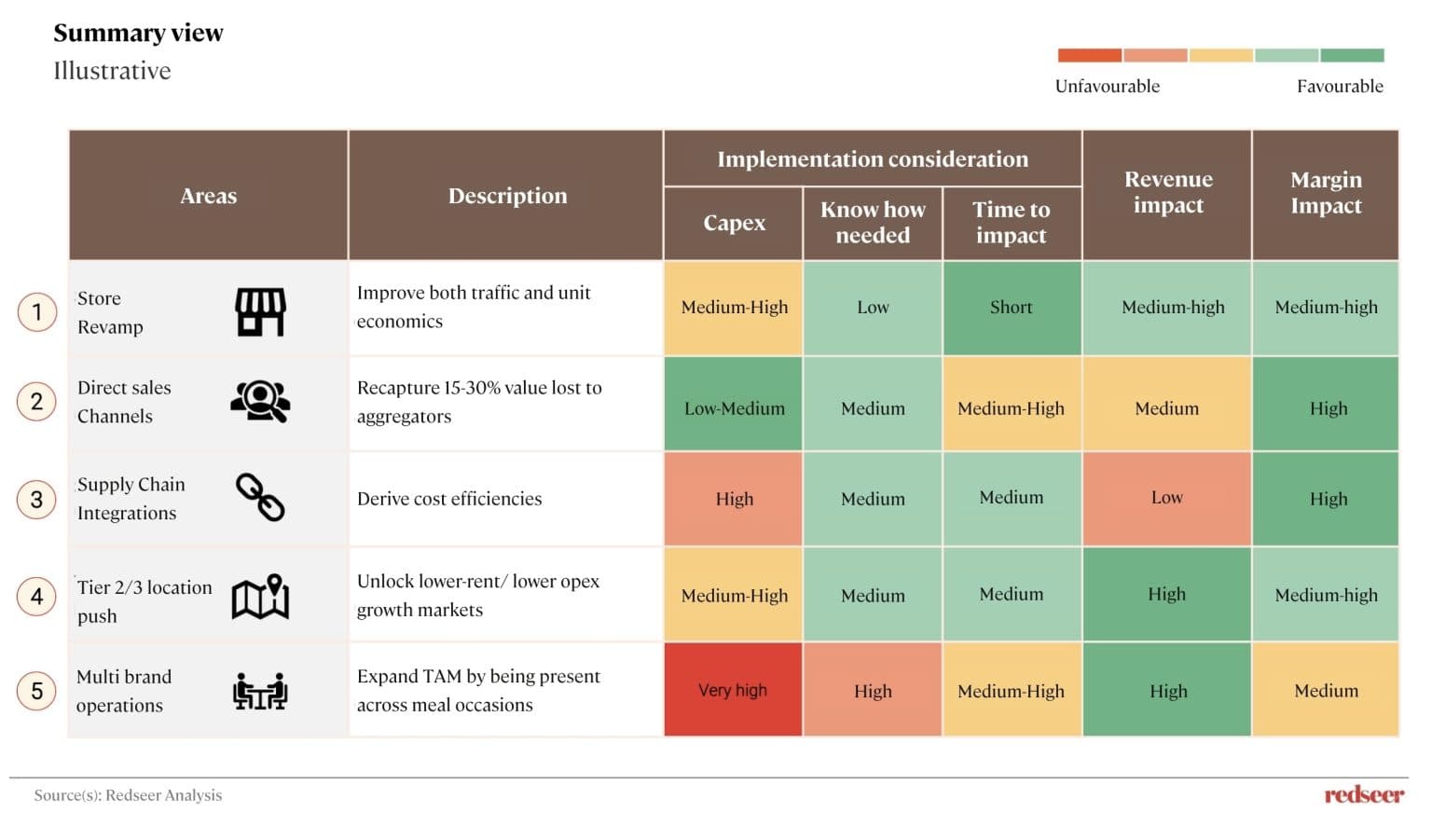
Five levers driving the next phase of profitable growth for SEA F&B operators
While all five strategies can drive growth, their attractiveness varies significantly based on capital requirements, execution complexity and time-to-impact. The optimal approach will depend on an operator’s strategic priorities, capital availability and organisational maturity.
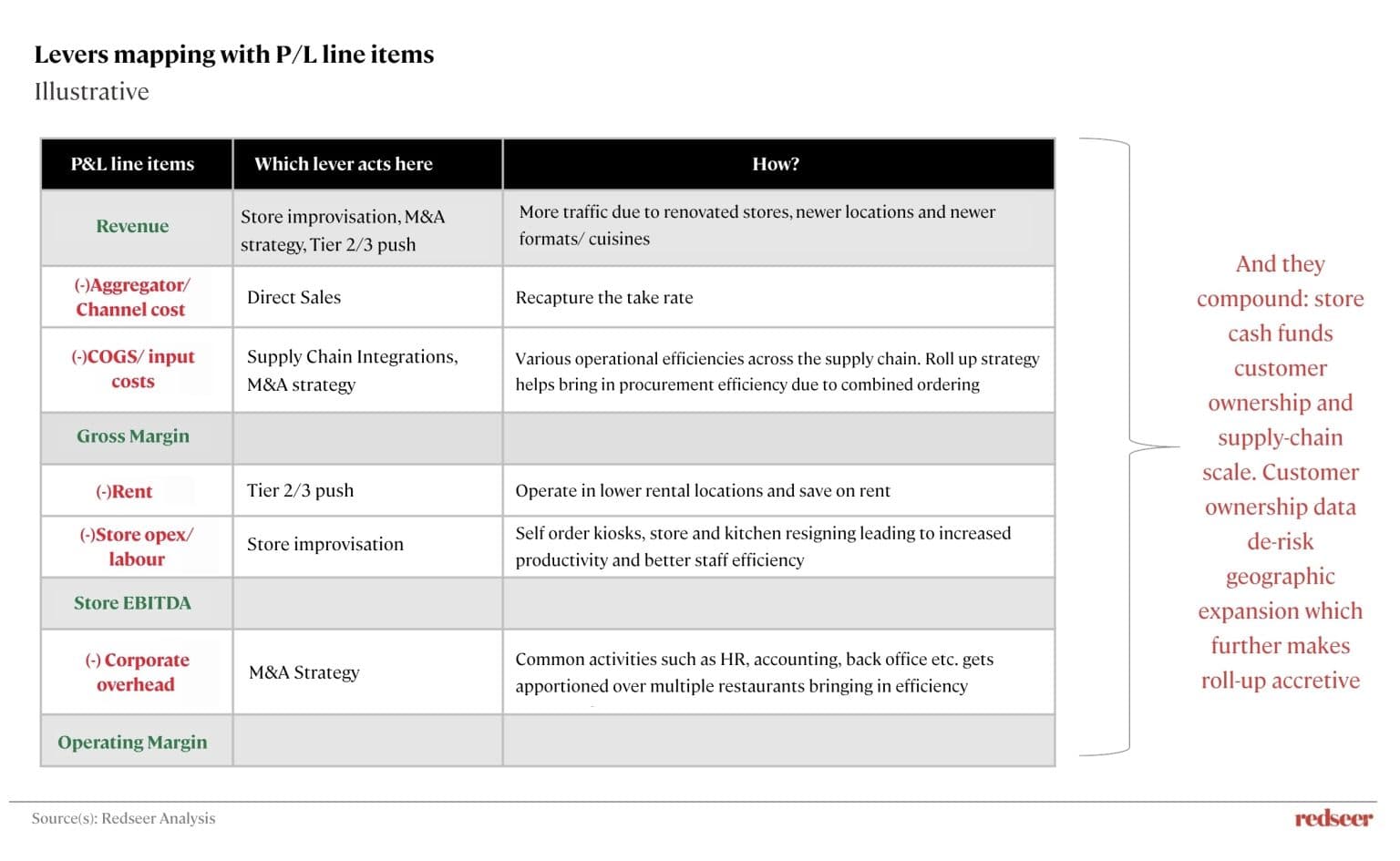
These levers are helping rebuild P/L of the brands from top line to net margin
Growth in today’s F&B landscape is no longer driven by a single initiative. Leading operators are pulling multiple strategic levers, from customer ownership and geographic expansion to supply chain optimisation and portfolio diversification, to strengthen different parts of the P&L.
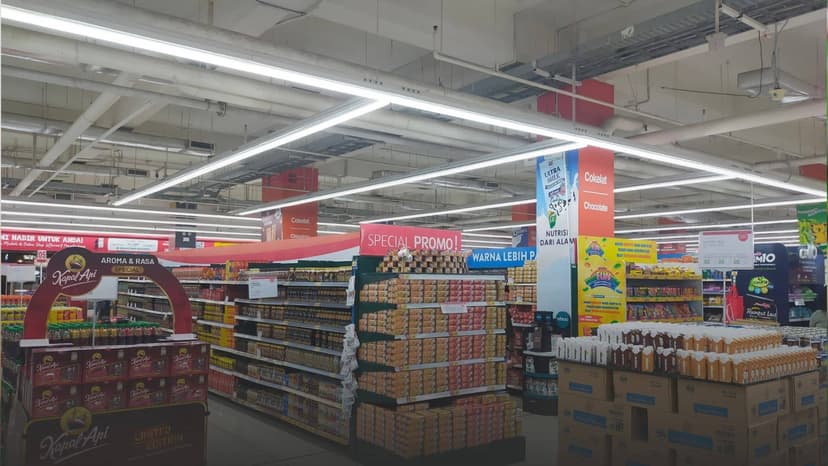
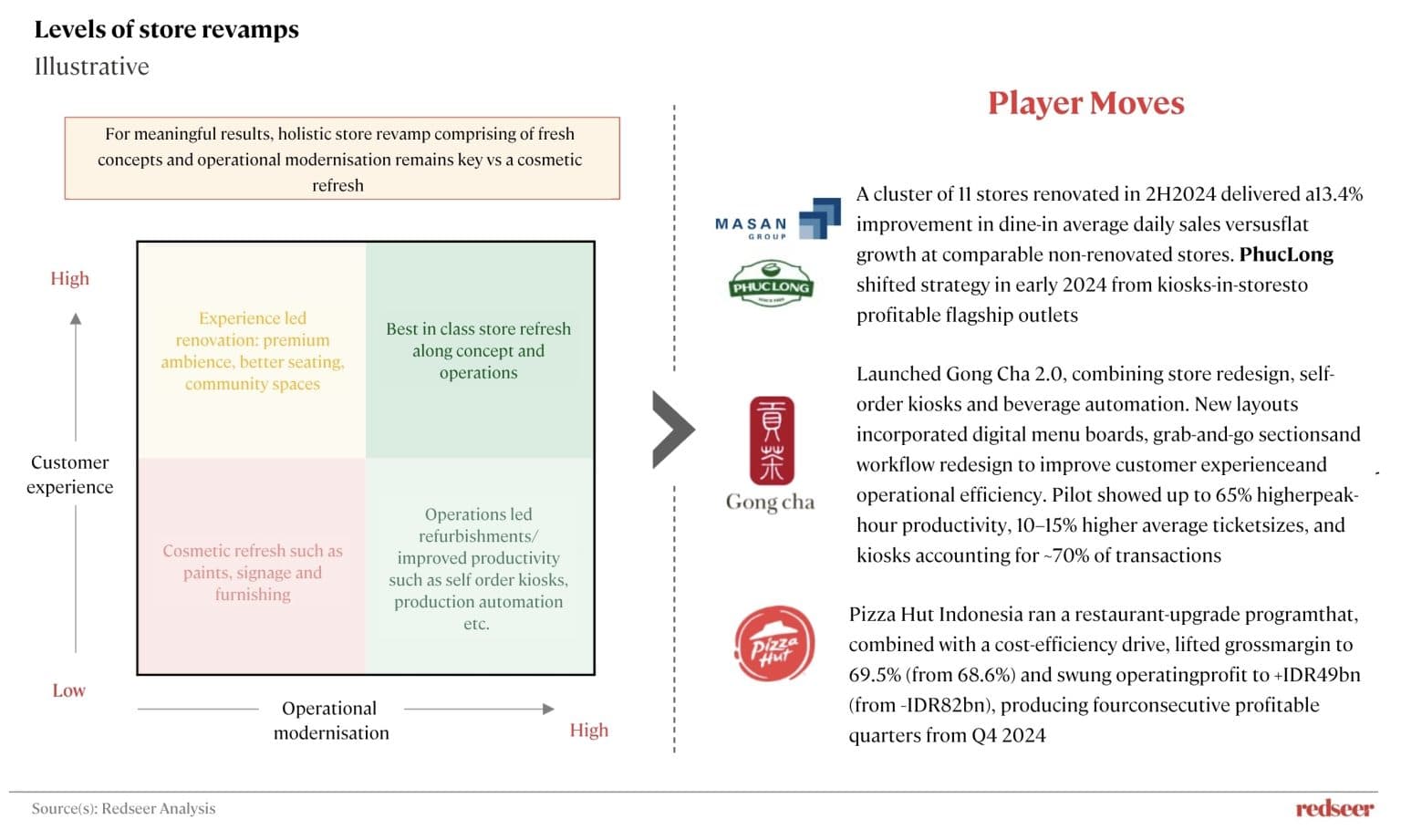
Winning F&B brands are revamping stores to maximise customer engagement and operational efficiencies
Want to get strategic guidance?
Renovation programmes increasingly serve a dual objective: elevating customer experience while improving store-level productivity. Operators that successfully deliver both outcomes are able to increase traffic, dwell time, average ticket size and labour efficiency simultaneously.
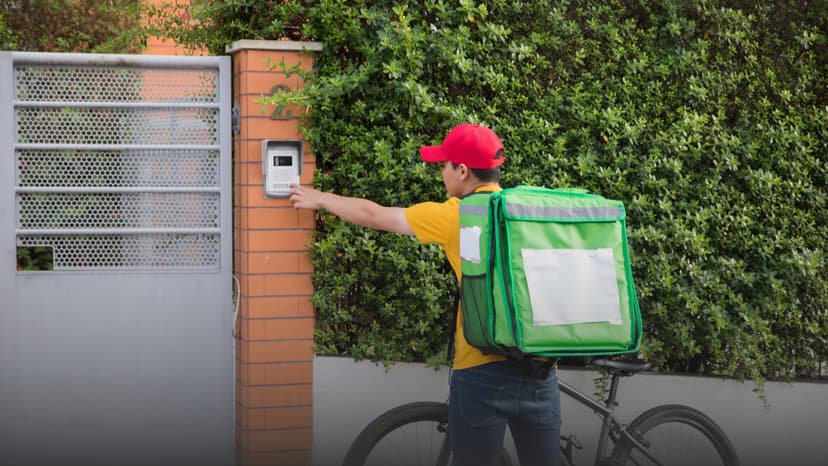
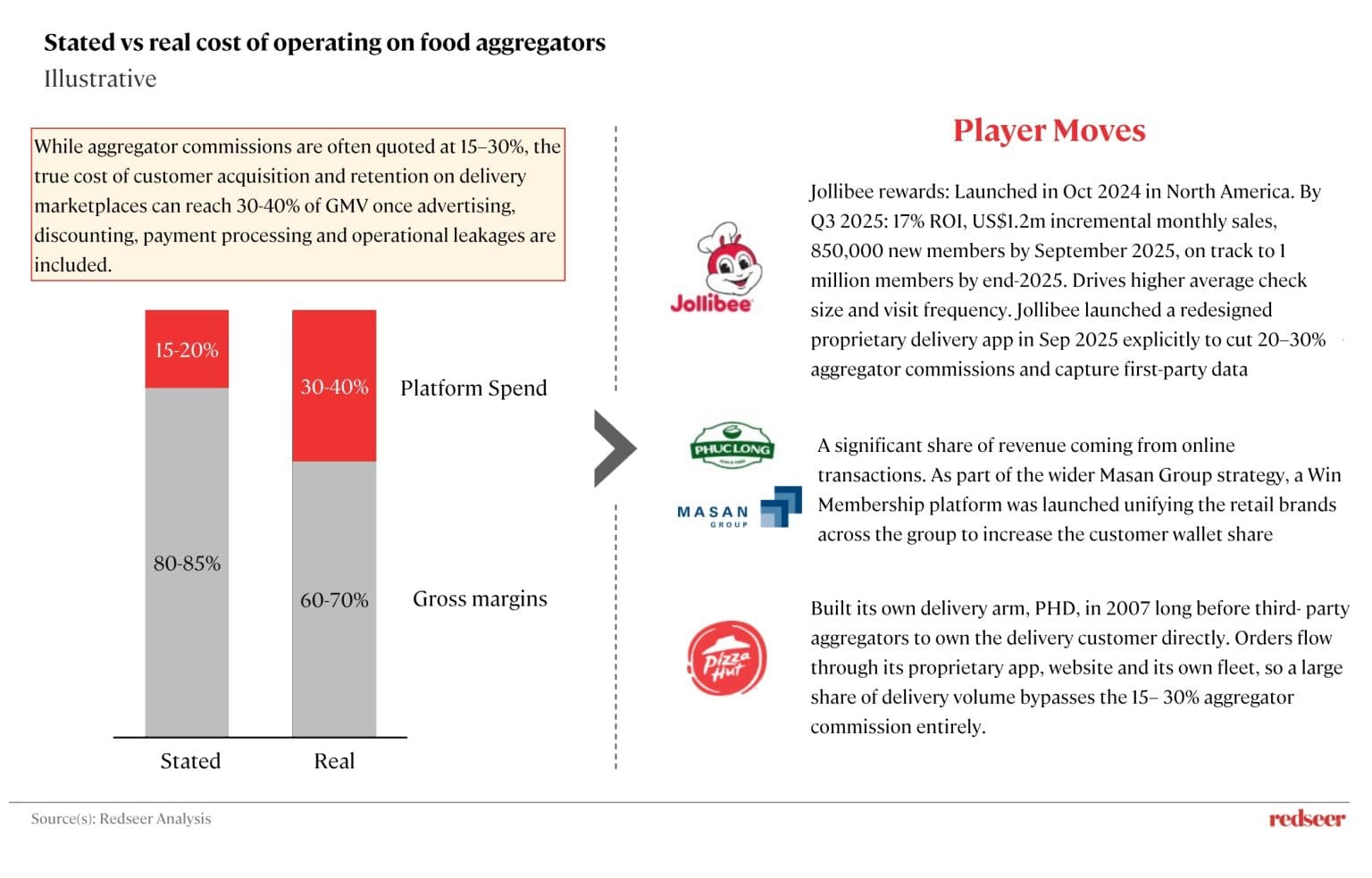
Direct sales through proprietary apps and rewards programs are allowing brands to recapture margins from aggregators
Aggregator dependency (20–30% commissions, effective take rates up to 40%) is the single biggest margin leak in SEA F&B. The leaders are building owned apps, loyalty programs and first-party data to recapture that margin and lift frequency. Apart from margin leakage, it also leads to the loss of consumer data and limited control over repeat-purchase potential.
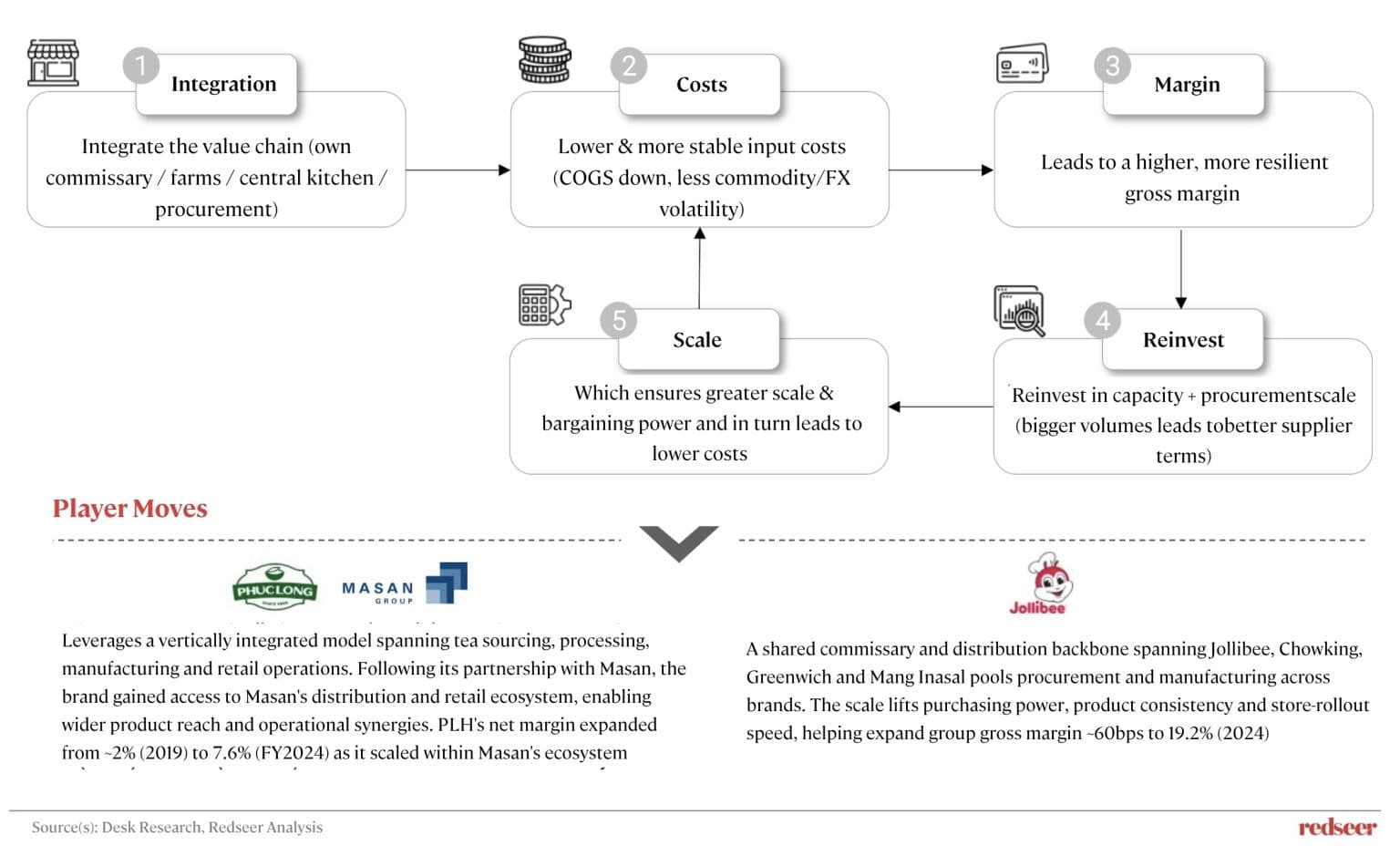
Supply chain integrations are creating a self-reinforcing cycle of efficiency and scale
Supply chain investments deliver benefits beyond immediate cost savings. As operators build scale through integrated sourcing, central kitchens and shared distribution, they improve purchasing power, product consistency and operational efficiency. The resulting margin gains can then be reinvested to support further expansion, creating a virtuous cycle of scale and profitability.
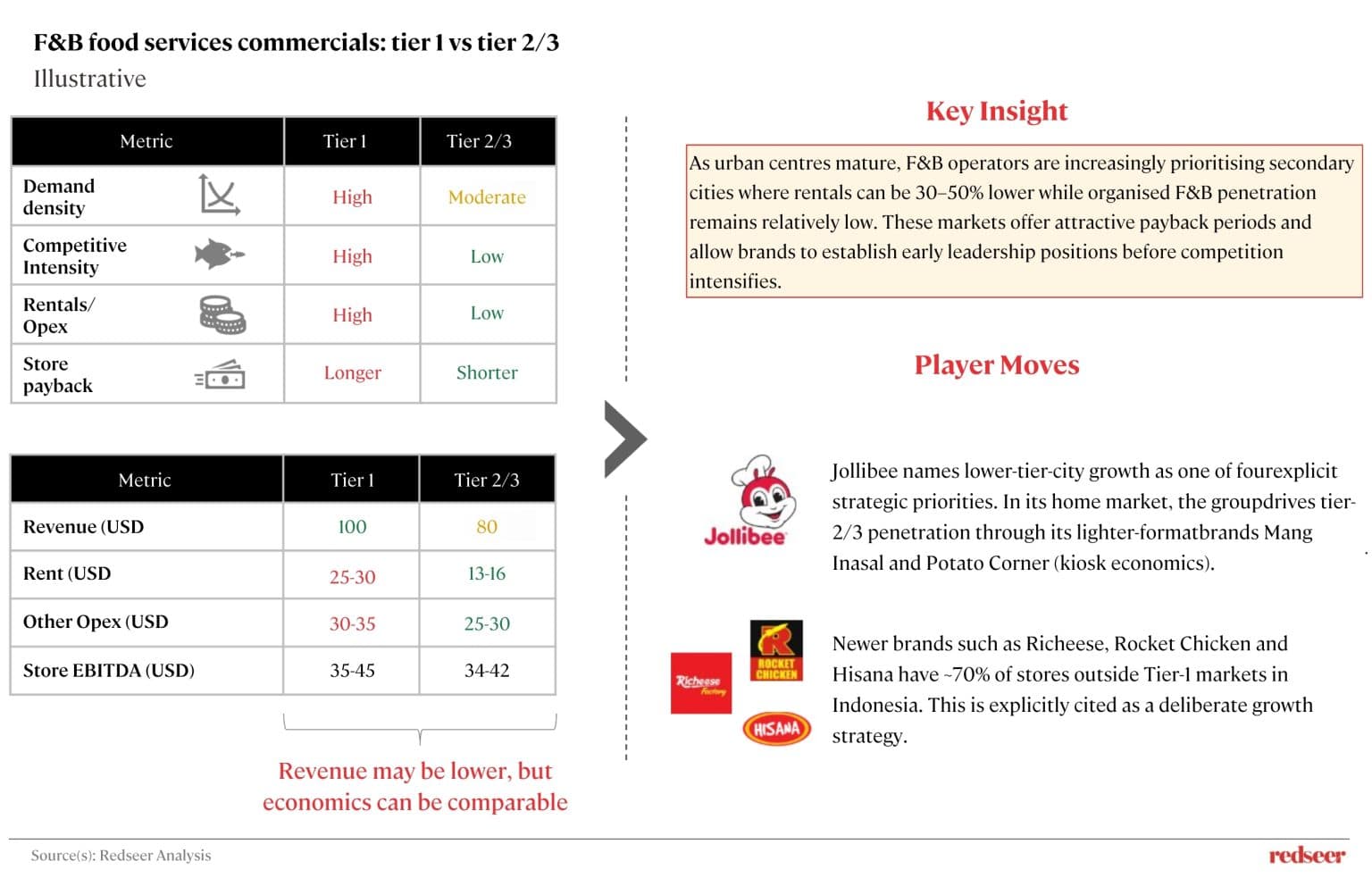
Tier 2/ 3 location push is allowing similar margins due to lower opex vs Tier 1 locations
Urban metros are saturating and rental-heavy; occupancy can absorb 15–20% of store revenue. Tier-2/3 cities and rural towns flip the equation: rentals run 30–50% lower, competition is thinner, and demand is underserved. Absolute revenue per store may be lower, but store-level margins and payback periods are often better
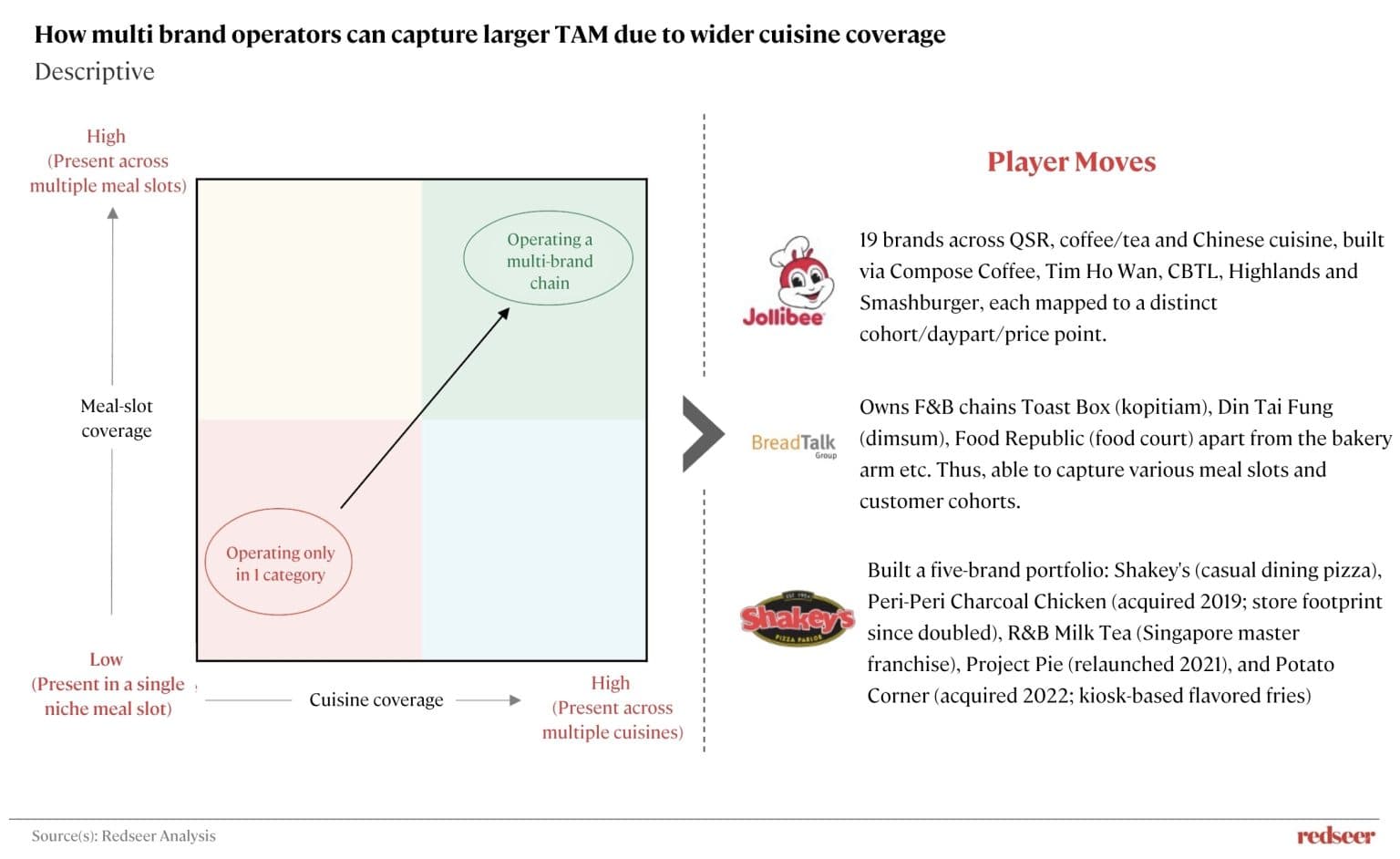
Multi-brand operations allow players to capture a larger TAM across meal slots and cuisines
Single-brand operators are inherently capped: one cuisine, one occasion, one customer cohort. By assembling a portfolio of complementary brands, operators stretch across the meal-slot and cuisine grid to capture a far larger total addressable market, from breakfast coffee to late-night dim sum. The real prize, though, is operating leverage: a shared backbone of commissary, procurement, supply chain, delivery and loyalty infrastructure spread across multiple brands.

Written by
Roshan Behera
Partner
Roshan is a Partner based in Singapore and focuses on Southeast Asia. His sector coverage includes e-commerce, logistics, fintech, eB2B, on-demand services, and other emerging sectors.


Viet-Nomics: Southeast Asias Rising Economic Star

USD 30 Bn Market in Motion: New Revenue Models Shaping Mobility & Delivery in SEA

The Key to F&B Expansion: From Operating Control to Scalable Growth

SEA’s USD 121 Bn food-service resurgence: lessons from regional leaders

Redseer helps an e-commerce enabler double down and rise as a full-stack leader.

Redseer Enables the Regional E-commerce Leader to achieve Competitive Differentiation via Logistics Partnership

Southeast Asia Beverage’s Selective- Spending Moment

SEA Food Consumption: Where the Meal Earns the Bill

Quick Commerce: Winning SEA through Categories, Channels and Occasions

The Singapore Launchpad: When local proof is enough to build an overseas consumer brand

From Local Fashion Brands to Regional Consumer Leaders
Inside discount retail: Winning on thin margins
Viet-Nomics: Southeast Asias Rising Economic Star
USD 30 Bn Market in Motion: New Revenue Models Shaping Mobility & Delivery in SEA
The Key to F&B Expansion: From Operating Control to Scalable Growth
SEA’s USD 121 Bn food-service resurgence: lessons from regional leaders
Redseer helps an e-commerce enabler double down and rise as a full-stack leader.
Redseer Enables the Regional E-commerce Leader to achieve Competitive Differentiation via Logistics Partnership