Value Grocery – Unlocking India’s Next 100 Mn Shoppers


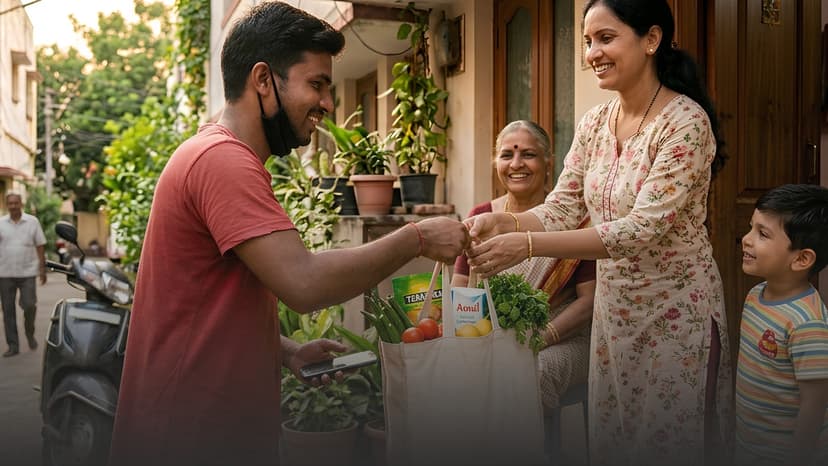
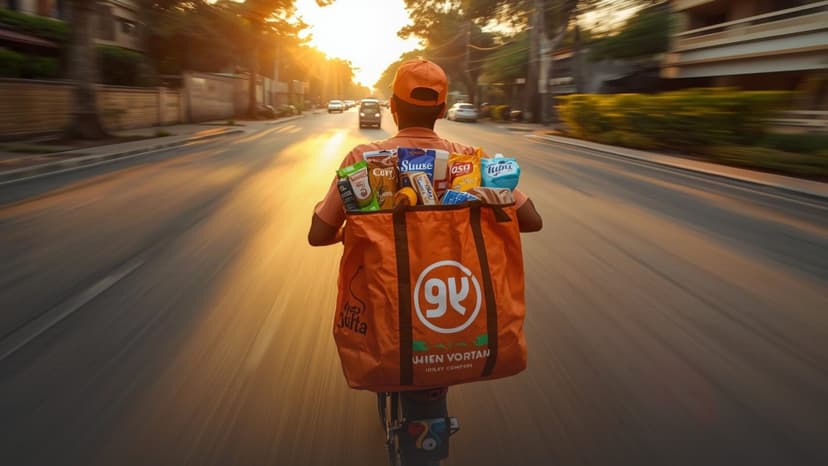
Online grocery has turned into a race against the clock. Dark stores on every corner, delivery riders weaving through traffic, and brands expanding their footprint app by app. But the next 100 million grocery shoppers don’t live where those dark stores are, and they aren’t paying up for a faster delivery.
They sit in tier two and beyond. They already shop online for lifestyle, yet they still buy most of their groceries from the kirana next door. So alongside the ten minute race, there is a second one, quieter and just as large: a trillion dollar basket that speed alone will not win.
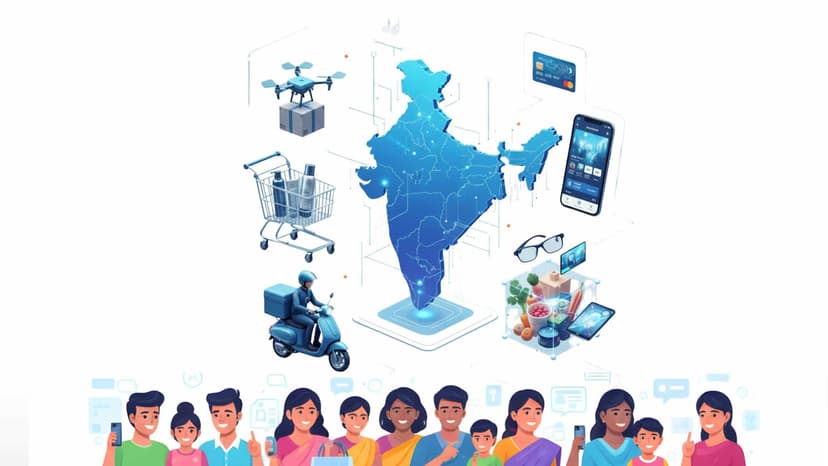
That basket belongs to Bharat, roughly 150 million households defined not by geography but by income, with behaviours and aspirations converging fast with their higher income counterparts. As a cohort they already consume around $700 billion of goods and services a year, a number Redseer’s modelling expects to reach $1 trillion. This is a cohort no brand or platform can choose to ignore anymore.
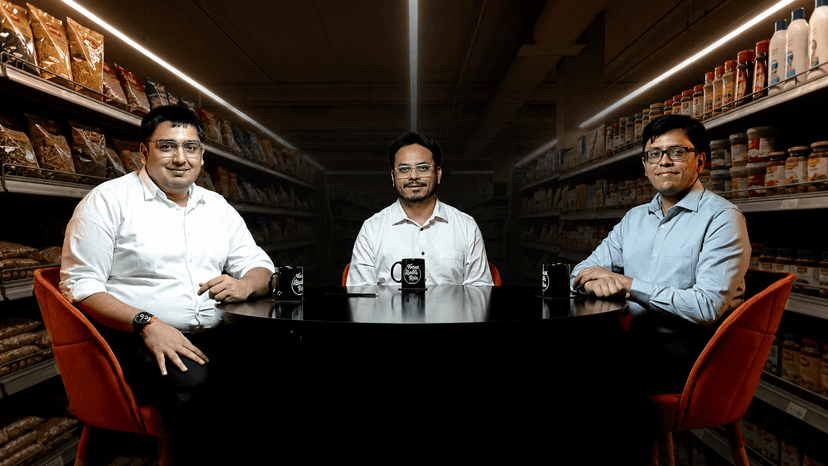
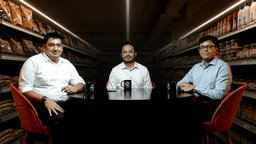
In this podcast, Redseer’s Kushal and Mrigank unpack who the Bharat grocery shopper really is, how their basket is changing, and what it actually takes to win a the value grocery market in India.
The questions worth asking are changing
Value grocery is at an inflection point, and the questions worth asking have moved on from delivery speed:
- What does the Bharat shopper actually want on the shelf, once loose staples give way to packaged goods, protein and everyday indulgence?
- If shoppers are willing to buy a private label or an unknown brand, what is a brand really worth in this basket?
- Can a model built for small ticket sizes fulfil an order profitably, or does the economics break below a certain basket value?
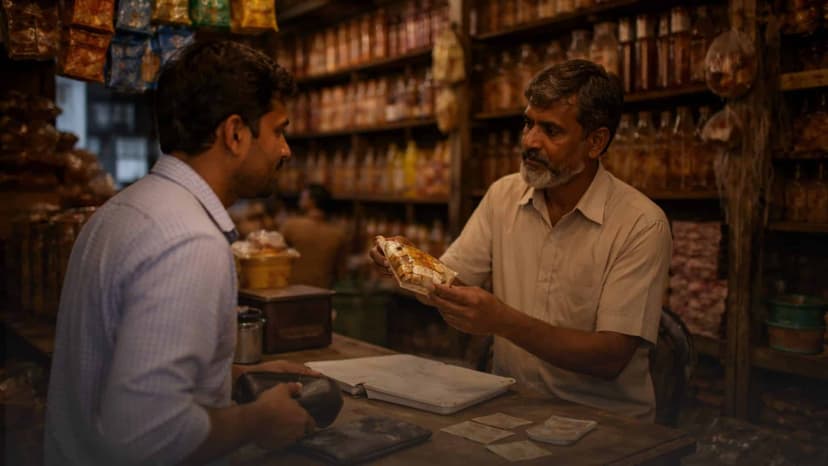
- When kirana holds 91% of grocery spend, is online competing with the corner store or quietly learning to serve alongside it?
The strategic question beneath all of this: as selection, localisation and fulfilment cost start to matter more than raw delivery speed, who is actually built to serve the next 100 million grocery shoppers? Value grocery players are already fulfilling an end to end basket at around ₹50, roughly half of what a quick commerce player spends. Get the shelf and the cost line right, and the trillion dollar basket is there to be won.
Watch the full conversation to understand where the next 100 million grocery shoppers are really headed.
Access the full report here
Written by




Value Grocery Commerce: The Bharat Unlock

Think Quick Commerce: Unlocking the $90Bn Opportunity

Digital Disruption in Home Category: Whitespace to Market Leadership

India Online Retail 2026: The Fastest Year in Five, and the New Engines Behind It

Why India’s Mass Grocery still leans on Kirana Stores

State of India’s Food Services Market
Reinventing Packaged F&B with Quick Commerce

The Indian Consumer at 2030: Redefining Aspirations, Choices, and Markets

The Rise of Convenient Eating: How Urban India Balances Speed and Health
Smart clicks to win India’s online groceries & general merchandise basket

Online grocery: What brands need to know?
Value Grocery – Unlocking India’s Next 100 Mn Shoppers
Value Grocery Commerce: The Bharat Unlock
Think Quick Commerce: Unlocking the $90Bn Opportunity
Digital Disruption in Home Category: Whitespace to Market Leadership
India Online Retail 2026: The Fastest Year in Five, and the New Engines Behind It
Why India’s Mass Grocery still leans on Kirana Stores
State of India’s Food Services Market